Myopia Management for Children and Adults
Learn how myopia management can help address nearsightedness in children and adults. Our team offers comprehensive eye exams, prescription eyeglasses, and personalized guidance in Maple Grove, MN.
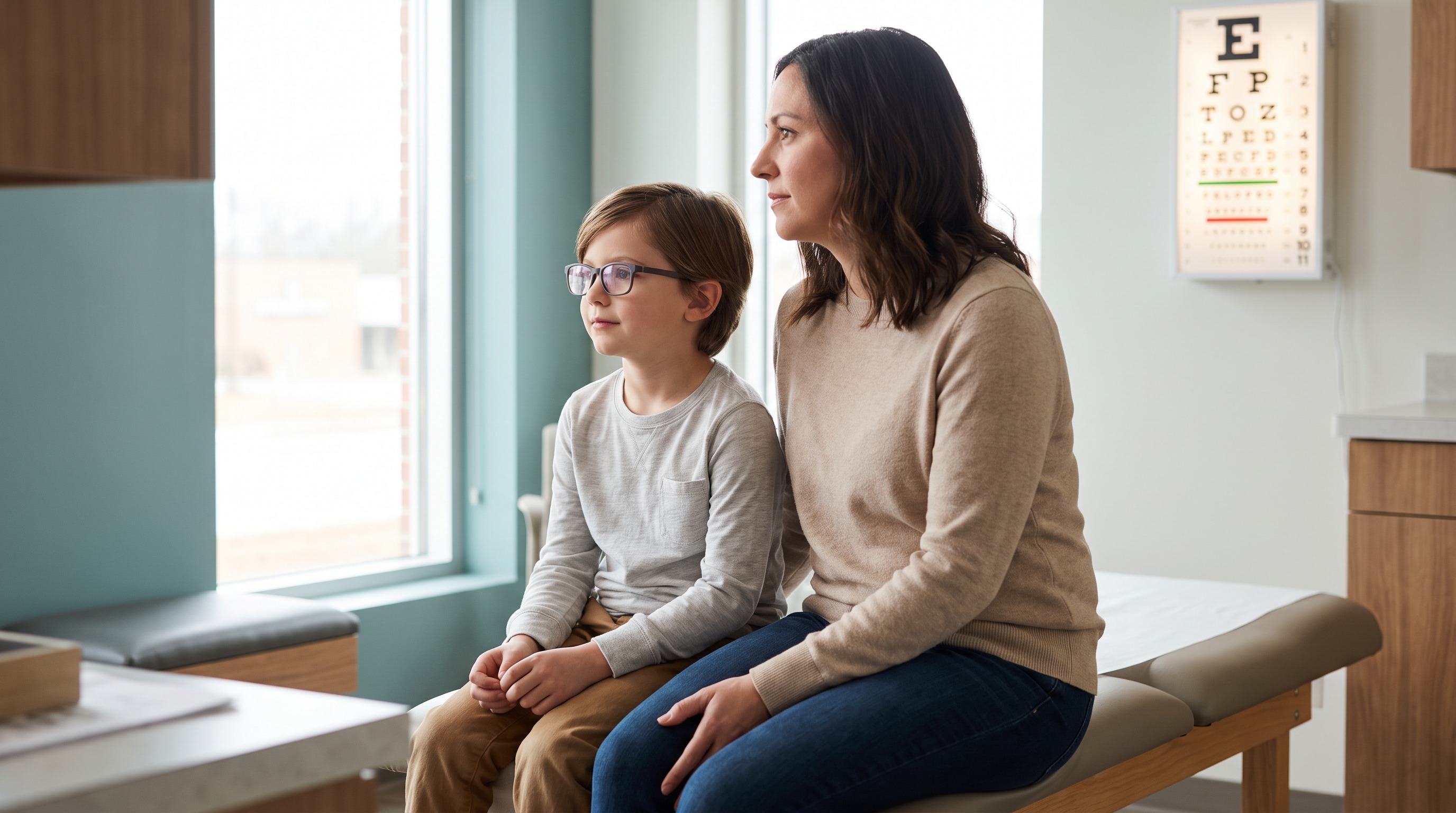
Nearsightedness, also called myopia, makes faraway objects look blurry while nearby objects remain clear. For many people, it first appears in childhood and can change over time as the eyes grow. At Maple Grove Vision Clinic in Maple Grove, MN, our team helps patients understand their vision, monitor changes over time, and explore options for managing myopia.
What Is Myopia?
Myopia occurs when the eye focuses light in front of the retina instead of directly on it. This often happens because the eyeball is slightly longer than average, or because the cornea or lens bends light more strongly than it should. In either case, distance vision becomes less sharp. Many people first notice the change when they start squinting at a classroom whiteboard or struggling to read road signs while driving.

Symptoms of Myopia
The symptoms of myopia can be subtle, especially in young children who may not realize their vision is blurry. Common signs include squinting, sitting close to screens or books, rubbing the eyes often, and headaches after reading or schoolwork. Parents and caregivers can watch for these signs at home, but a comprehensive eye exam is the most reliable way to confirm nearsightedness and measure the prescription.

Why Myopia Management Matters
Nearsightedness often progresses during childhood and the teenage years, so prescriptions may need to change every year or two. Higher levels of myopia are associated with a greater long-term risk of conditions such as retinal detachment, glaucoma, and cataract. Myopia management focuses on slowing how quickly nearsightedness advances, which may help reduce that long-term risk. While it cannot reverse nearsightedness, a well-planned approach can help patients see more comfortably and keep their prescriptions more stable.


Treatment for Myopia
No single approach works for everyone. Depending on age, prescription, and daily routine, your doctor may discuss several options. These can include specialized eyeglass lenses, contact lenses designed for myopia control, and other professionally guided strategies. Results vary from person to person, so the doctor will explain what to expect from each option and how progress will be monitored over time.
Prescription eyeglasses also play an important role in myopia care. Whether you need full-time lenses for distance or a pair for everyday tasks, you can browse our current eyeglasses selection and speak with our team about lens options that match your prescription.
Patients who prefer contact lenses can also ask about specialty contact lenses. These are fitted based on eye health, comfort, and visual goals, so an in-person evaluation helps determine which type is the right fit.
Eye Exams for Children and Adults
Routine eye exams are the foundation of myopia care. Children should have their first comprehensive eye exam early, and regular checkups are generally recommended through the school years. Our pediatric eye exam services are designed to measure eye health, check focusing ability, and assess how well a child’s vision supports learning. Adults who notice changes in their distance vision should also schedule an evaluation to determine whether nearsightedness is developing or changing.
What to Expect at Your Visit
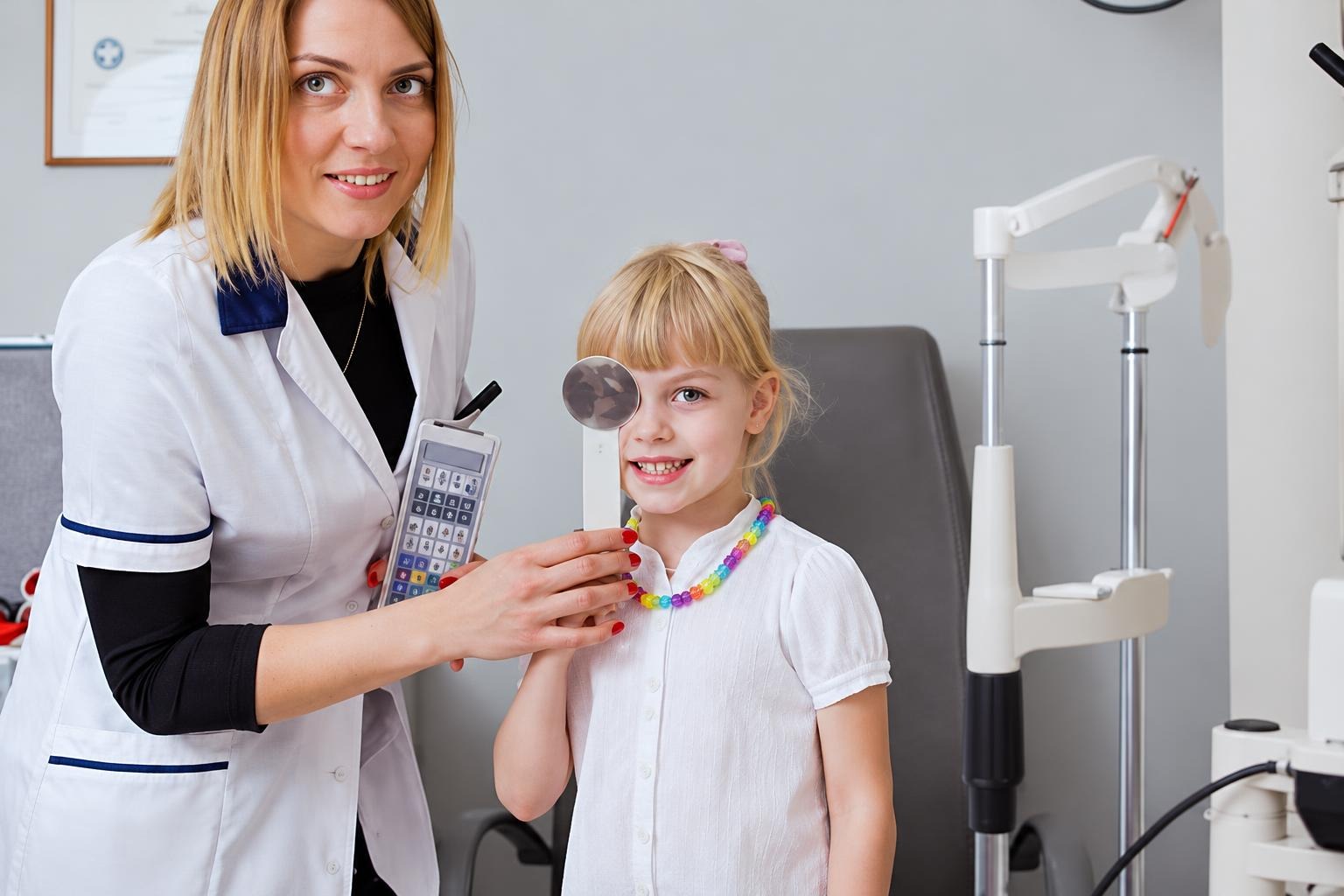
Your visit typically begins with a review of your health history and any vision concerns you have noticed. The doctor then performs a comprehensive exam that includes testing your prescription, checking eye health, and measuring focusing ability. Once the results are in, the doctor will explain your findings in plain language and discuss the options that best fit your needs. You will always have time to ask questions before making any decisions.
Schedule Your Myopia Evaluation
If you or your child has trouble seeing clearly at a distance, or you want to learn more about myopia management, we invite you to book a visit. You can schedule your appointment online.